

5 Expert-Backed Ways to Support Thicker-Looking Hair
Fine or thinning hair can feel frustrating and for many women, it’s linked to completely natural life stages.
In the UK, two of the most common causes are:
-
Post-natal hair shedding (telogen effluvium) - triggered by hormonal shifts after pregnancy. The NHS confirms that temporary shedding 3–6 months post-birth is common and usually self-corrects within a year.
-
Menopausal hair thinning - linked to declining oestrogen levels, which can shorten the hair growth cycle. The British Menopause Society notes that changes in hair density are a recognised symptom during perimenopause and menopause.
If you’re experiencing sudden or excessive shedding, always speak to your GP or a qualified trichologist to rule out underlying causes such as iron deficiency, thyroid imbalance or nutritional gaps.
That said, there are evidence-informed ways to support stronger, fuller-looking hair.
Here are our updated five most effective strategies for thicker-looking hair in 2026.
1. Focus on Scalp Health First
The biggest shift in the past 12 months?
Haircare has moved from strand repair to scalp-first care.

The British Association of Dermatologists regularly emphasises that healthy follicles depend on a healthy scalp environment. Inflammation, product build-up and poor circulation can all impact growth cycles.
Practical steps:
-
Use a gentle, sulphate-free shampoo
-
Massage the scalp regularly to support circulation
-
Avoid heavy product build-up
-
Keep the scalp clean but not over-stripped
A scalp massage brush can help gently exfoliate and stimulate blood flow, supporting a healthier growth environment over time.
2. Choose Clinically Supported Ingredients
When people ask, “What products actually regrow hair?” the honest answer is: no cosmetic product can guarantee regrowth.

However, certain ingredients are supported by clinical research for supporting healthier growth conditions:
-
Caffeine – studied for stimulating hair follicles
-
Biotin – supports keratin infrastructure (particularly helpful where deficiency exists)
-
Panthenol – improves hair elasticity and reduces breakage
Look for products that target the scalp, not just coat the hair shaft. Strengthening fragile strands reduces breakage, which is often mistaken for hair loss.
3. Prevent Mechanical Damage
Breakage is one of the most overlooked contributors to “thinning” appearance.

Dermatologists increasingly highlight traction and mechanical stress as preventable causes of hair loss.
To minimise damage:
-
Avoid tight hairstyles that pull on the roots
-
Use a detangling brush and always start brushing from the ends
-
Plait hair loosely before sleeping
-
Avoid excessive heat styling
Prevention is far more effective than trying to repair severe breakage later.
4. Support Hair Through Life Stages
Postpartum and menopausal thinning are common but they are different.
-
Post-natal shedding is usually temporary.
-
Menopausal thinning may be more gradual and ongoing.
According to NHS guidance, ensuring adequate iron, vitamin D and protein intake can support overall hair health. If in doubt, request blood tests through your GP before starting supplements.
In some cases, medical treatments such as topical minoxidil may be recommended by a healthcare professional, but always seek proper advice before beginning any medicated treatment.
5. Create the Appearance of Density Safely
While supporting natural regrowth, many women choose to enhance volume cosmetically. Well-fitted, lightweight tape extensions are often recommended for fine hair because they:
-
Sit flat against the scalp
-
Distribute weight evenly
-
Avoid tension at a single point
-
Can be applied sparingly for subtle density
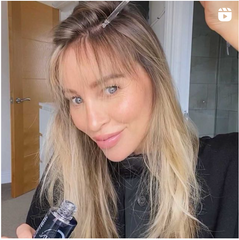
Used correctly by a trained professional, extensions can provide the appearance of thicker hair without placing strain on fragile strands.
As Lauren Pope, founder of Hair Rehab London, explains:
“After experiencing post-natal hair loss myself, I found that a few carefully placed tape extensions made a huge difference to my confidence while my own hair regrew. They sit flat to the head and can be contoured for a truly discreet finish.”
If you're concerned about fine, thinning hair, the best thing to do is to talk to a specialist. They will be able to give you advice on the best course of action for your specific situation.
Fine, thinning hair can be a frustrating and confidence-sapping problem. But wearing the right type of hair extensions for your hair type can actually help to give the appearance of thicker hair. Talk to your hair extensions specialist about the best type of extensions for your hair. Find a hair extension specialist in your area here.

Hair Rehab London offer tape extensions in a wide range of shades including blondes, brunettes, balayage and rooted and come in 14", 18" and 22" lengths.
What products have you found to be the best at tacking thin and fine hair?